
Foods to Eat or Avoid While Breastfeeding


Foods to Eat and Avoid While Breastfeeding: A Complete Guide for New Moms
Breastfeeding places increased nutritional demands on your body, and many new mothers wonder which foods support milk production and which foods should be limited or avoided. Understanding how nutrition affects breastfeeding can help support your health, postpartum recovery, and your baby's development. This guide explores foods to eat while breastfeeding, foods to avoid, hydration recommendations, and practical nutrition tips for new moms. Expecting your little one soon? Read our Preparing for Baby Guide for practical tips and resources before your newborn arrives.Why Proper Nutrition Matters in Breastfeeding
Let’s paint a beautiful picture! Every plate of food you eat constitutes the continental menu for your baby's next meal. That's right, the nutrients you consume waltz right into your milk supply. So, munching on a kaleidoscope of nutrients means your baby gets a taste of the good stuff, too!How Foods Affect Breast Milk
Imagine your body as a cozy kitchen where your baby's meals are prepared. The ingredients you pick, those vitamins and minerals, are handpicked for your baby's health. How awesome is that? Your Own Nutritional Needs Don’t forget about your nutritional needs, super chef! Your body is in overdrive, producing that precious milk. Fuel it right, and you'll be a powerhouse of energy and good health. Benefits of Eating Well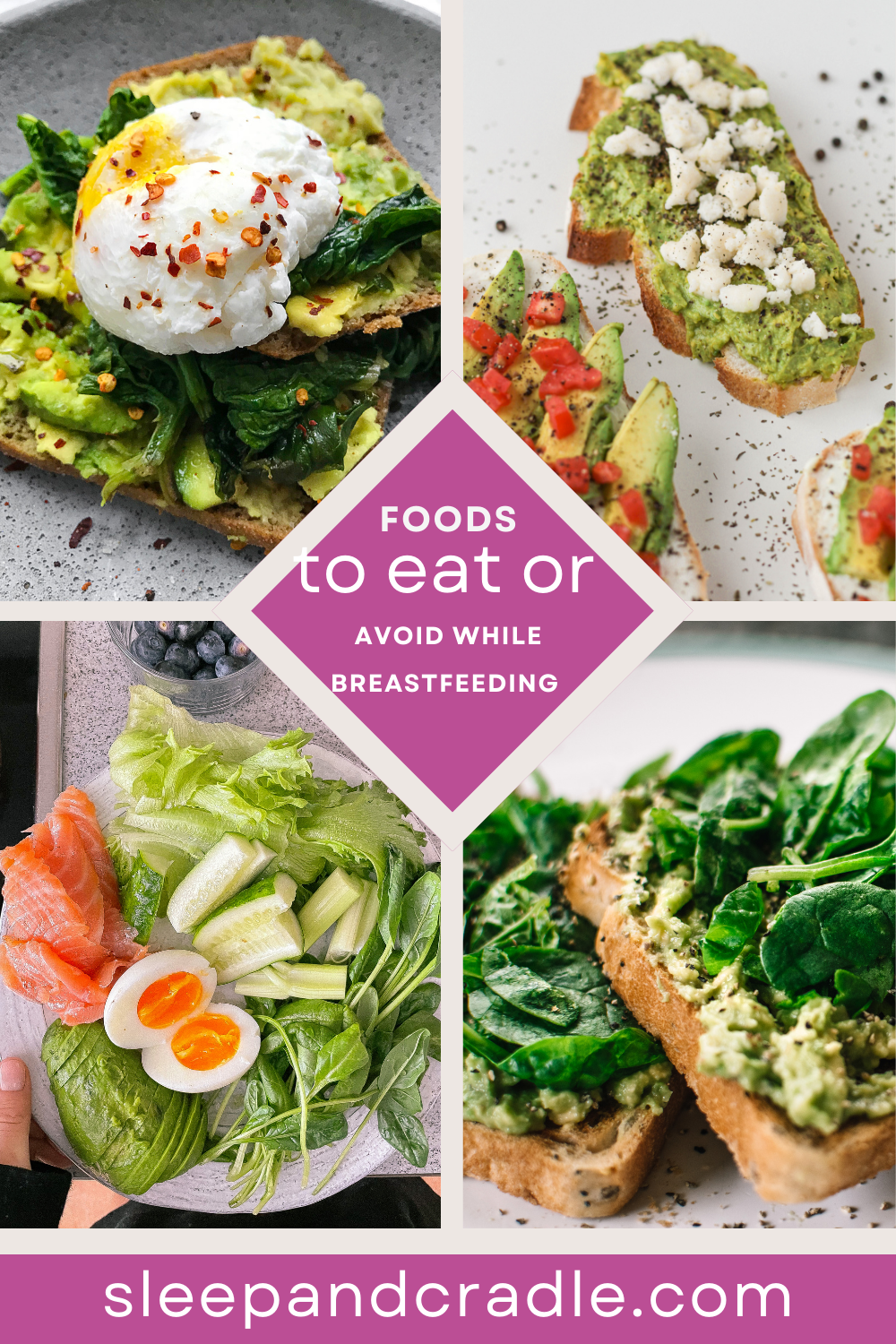 Eating various nutritious foods isn't just for those trendy foodie pics; it's a game changer for your health and your baby's development.
Quality of Breast Milk
Did you know your eating habits can influence the taste of your breast milk? Indulging in different flavors could turn your munchkin into a future gourmet.
Postpartum Recovery
Think of healthy eating as your recovery agent, helping your body recover from the childbirth marathon. Preparing for recovery starts before delivery—explore our Childbirth Preparation Class to help you navigate pregnancy, labor, and postpartum life.
Long-term Health of Mother and Child
A top-notch diet can lay down a red carpet for lifelong health, keeping you and your baby ahead of the wellness curve. Plus, you're setting a prime example of healthy habits from the get-go!
Core Nutrients for Lactating Mothers
Let's stock up on some essential nutrients to craft the creamiest, dreamiest milk and keep your tank full.
The Importance of Protein
Protein is the secret sauce for your baby's growth and your vitality. Sprinkle some protein magic into every meal with a sprinkle of lean meats, legumes, and dairy.
The Role of Fruits and Vegetables
Fruits and veggies are your sidekicks, brimming with all those vital nutrients. They're the unsung heroes keeping you both thriving.
Why Whole Grains Are Essential
Whole grains are the slow-burning candles that keep your energy glowing all day. They're the steady rhythm in your daily nutrient dance.
The Need for Healthy Fats
Those omegas in healthy fats are like brain food for your baby's development. Avocados and nuts are crucial to supporting that development.
Dairy Products: A Calcium Source
Team Calcium works overtime to keep your bones and your baby's strong. If you're dairy-free, there's a whole lineup of calcium champions.
Hydration and Breastfeeding
If milk production is the concert, water is the headlining act. Keep that hydration flowing like a serene river; you'll be the show's star.
Eating various nutritious foods isn't just for those trendy foodie pics; it's a game changer for your health and your baby's development.
Quality of Breast Milk
Did you know your eating habits can influence the taste of your breast milk? Indulging in different flavors could turn your munchkin into a future gourmet.
Postpartum Recovery
Think of healthy eating as your recovery agent, helping your body recover from the childbirth marathon. Preparing for recovery starts before delivery—explore our Childbirth Preparation Class to help you navigate pregnancy, labor, and postpartum life.
Long-term Health of Mother and Child
A top-notch diet can lay down a red carpet for lifelong health, keeping you and your baby ahead of the wellness curve. Plus, you're setting a prime example of healthy habits from the get-go!
Core Nutrients for Lactating Mothers
Let's stock up on some essential nutrients to craft the creamiest, dreamiest milk and keep your tank full.
The Importance of Protein
Protein is the secret sauce for your baby's growth and your vitality. Sprinkle some protein magic into every meal with a sprinkle of lean meats, legumes, and dairy.
The Role of Fruits and Vegetables
Fruits and veggies are your sidekicks, brimming with all those vital nutrients. They're the unsung heroes keeping you both thriving.
Why Whole Grains Are Essential
Whole grains are the slow-burning candles that keep your energy glowing all day. They're the steady rhythm in your daily nutrient dance.
The Need for Healthy Fats
Those omegas in healthy fats are like brain food for your baby's development. Avocados and nuts are crucial to supporting that development.
Dairy Products: A Calcium Source
Team Calcium works overtime to keep your bones and your baby's strong. If you're dairy-free, there's a whole lineup of calcium champions.
Hydration and Breastfeeding
If milk production is the concert, water is the headlining act. Keep that hydration flowing like a serene river; you'll be the show's star.
Best Foods to Eat While Breastfeeding
Your grocery cart is your treasure chest, filled with whole food jewels of every hue and shade. Meal Ideas and Recipes Need a dash of culinary inspiration? Picture a breakfast with a spinach and feta omelet, a lunch with a vibrant quinoa and veggie bowl, and a dinner starring a scrumptious salmon stir-fry. Delicious!Protein-rich foods
- Eggs
- Lean meats
- Chicken
- Greek yogurt
Healthy fats
- Avocados
- Nuts
- Seeds
- Salmon
Whole grains
- Oatmeal
- Brown rice
- Quinoa
Fruits and vegetables
- Leafy greens
- Berries
- Bananas
- Sweet potatoes
Foods to Limit or Avoid While Breastfeeding
Some foods are the party poopers of breastfeeding. Let's keep them off the guest list. Alcohol and Breastfeeding A little alcohol might be tempting, but timing is critical. Remember, what you eat or drink flows into your breast milk. Let’s put alcohol on hold till we are off breastfeeding! Caffeine: How Much is Too Much? Your morning cuppa can be a lifesaver, but moderation is the name of the game in the breastfeeding world. We recommend decaffeinated coffee if you must, but there are options like green that are excellent supplements. The Truth About Mercury in Fish Keep those high-mercury fish out of your net and opt for the safer swimmers like salmon and trout. Processed Foods and Sugar: A Hidden Harm Those processed snacks might be quick fixes, but they're not doing you any favors. Stick to the whole food script for the best nutrition story. Recognizing and Managing Food Sensitivities Is your baby a bit fussier than usual? It might be something in your diet. Time to play food detective! Have questions about feeding, routines, or newborn care? Schedule a Phone Consultation for personalized guidance. Keeping a Food Diary Jot down your culinary escapades and your baby's reactions to spot any troublesome patterns. The Elimination Process Think a particular food is a culprit? Take a break from it and watch for plot twists in your baby's behavior. Practical Tips for a Balanced Diet A little prep and planning can turn your breastfeeding diet into a smooth sail. Ready, set, prep! New to newborn care? Our Baby Care Basics Class covers feeding, routines, diapering, and everyday newborn care essentials. Planning and Prepping Your Meals Cooking up a storm on the weekend can save your sanity during the week. Embrace the freezer life for those no-cook mood days. Smart Snacking for Moms For hunger emergencies, keep your snack arsenal loaded with quick, healthy bites like nuts, yogurt, and fresh fruit. The Importance of Self-Care Remember, caring for yourself is the first step in caring for your baby. Rest, pamper, and feed yourself well. Understanding newborn sleep can help parents create more predictable routines—explore our 1-Month Sleep Schedule Guide. Foods That May Support Breast Milk Supply- Oats
- Fenugreek
- Leafy greens
- Flaxseed
- Hydration
Frequently Asked Questions About Foods and Nutrition While Breastfeeding
1. What foods should I avoid while breastfeeding?
Most breastfeeding mothers do not need to avoid specific foods completely. However, it may be helpful to limit alcohol, excessive caffeine, high-mercury fish such as swordfish and king mackerel, and highly processed foods with excess added sugar. If you notice your baby becoming unusually fussy or showing signs of sensitivity after certain foods, discuss your concerns with your healthcare provider.
2. What foods may help support breast milk supply?
A balanced diet and adequate hydration are important while breastfeeding. Foods commonly associated with supporting milk production include oats, leafy greens, flaxseed, whole grains, nuts, and protein-rich foods. Frequent breastfeeding or pumping and maintaining adequate fluid intake are also important factors that support milk production.
3. Can I drink coffee while breastfeeding?
Yes, many breastfeeding mothers can consume caffeine in moderation. Small to moderate amounts are generally tolerated; however, excessive caffeine intake may affect some babies and contribute to irritability or sleep disturbances. Monitoring your baby’s response may be helpful.
4. Can spicy foods affect my baby while breastfeeding?
Most babies tolerate a variety of foods in their mother's diet, including spicy foods. In some situations, parents may notice changes such as increased fussiness or digestive discomfort after certain meals. Keeping a food diary can help identify patterns if you suspect sensitivities.
5. How much water should I drink while breastfeeding?
Hydration needs vary between individuals, but breastfeeding mothers generally benefit from drinking fluids regularly throughout the day. Drinking water when thirsty and maintaining consistent hydration may help support overall health and breastfeeding needs.
6. Can certain foods cause gas in my baby while breastfeeding?
Certain babies may be more sensitive to foods in a mother's diet, although this varies significantly. Foods such as dairy, caffeine, spicy foods, or highly processed foods may occasionally contribute to symptoms in some infants. Monitoring patterns and discussing concerns with a healthcare professional can help determine whether dietary changes are needed.
7. Is it safe to diet while breastfeeding?
Breastfeeding mothers should focus on balanced nutrition rather than restrictive diets. Extreme calorie restriction may affect energy levels and overall nutritional intake. Gradual postpartum weight changes combined with healthy eating and activity are often more sustainable approaches.
8. What are healthy snack ideas for breastfeeding mothers?
Healthy snack ideas may include Greek yogurt, fruit, nuts, oatmeal, boiled eggs, hummus with vegetables, whole-grain crackers, smoothies, and nut butter with apples or bananas. Choosing nutrient-dense foods can help support energy levels throughout the day.
Conclusion Looking for more support? Explore our Parent Resources Blog for evidence-informed pregnancy, feeding, sleep, and newborn care guidance. At Sleep & Cradle® Solutions, we are dedicated to making information sharing engaging, and we are privileged to have given you a quick tour of the breastfeeding diet landscape. Remember that balance is vital, hydration is your best friend, and support is just a breastfeeding class away. You're doing an incredible job, Mom; keep rocking that liquid gold production!