







Sleep & Cradle® Health | Physician-Led Postpartum & Baby Sleep Support

The First Few Weeks at Home: Insights Families Often Wish They Had Earlier

Preparing for a baby’s arrival often focuses on birth preparation, nursery design, and checking items off a growing list. Yet many families later discover that some of the most valuable preparation involved understanding what everyday life would actually feel like during those first weeks at home.

Through years of physician-led support across both virtual and in-home care settings, we have observed that sleep, feeding, recovery, and daily routines are deeply connected. Creating early structure does not mean creating rigid schedules, it means building a foundation that helps families navigate the postpartum transition with greater confidence and support.

Learn how our physician-led Baby Sleep Telehealth Navigation™ program supports families through sleep, feeding, and routine development.

Preparing Beyond the Nursery

Preparing for a baby’s arrival often begins with selecting nursery furniture, researching baby products, and organizing a space for welcoming a new addition to the family. While these milestones can be exciting, preparing for life with a newborn often extends beyond the physical environment itself.

The first weeks at home with a newborn can introduce new responsibilities, changing routines, and experiences that are difficult to fully anticipate ahead of time. Alongside preparing a nursery and newborn essentials, many parents also begin thinking about everyday routines, sleep expectations, and how daily life may gradually change after bringing baby home.

Thoughtful preparation can extend beyond what parents purchase, it can also include understanding what the early weeks with a newborn may realistically involve and creating an environment that supports both baby and family well-being.

Explore our Childbirth Preparation Class designed to help families prepare for birth, recovery, newborn care, and the transition into life with a newborn.


Childbirth Preparation Class

Why Sleep Influences More Than Nights

When parents think about sleep, it is natural to focus on nighttime rest. Yet during the first weeks at home with a newborn, sleep often becomes woven into many parts of everyday life.

Sleep can influence how families experience the flow of their day; from feeding routines and recovery to adjusting to new responsibilities and settling into life with a newborn. During the early weeks, parents are often learning their baby’s patterns while simultaneously adapting to new routines within the household.

Sleep may also influence how parents experience the transition into parenthood itself. Rest, recovery, emotional well-being, and overall family experiences are often interconnected during the postpartum period, which is why many families begin viewing sleep as part of a broader picture rather than simply a nighttime experience.

Understanding this early can help families approach the first weeks at home with greater awareness and more realistic expectations as they settle into life with a newborn.

Learn more about our Baby Sleep Reset – 7 Day Intensive program for families seeking personalized sleep and routine guidance.


Recovery Is Part of the Postpartum Journey

As families prepare for a baby’s arrival, much of the attention naturally centers around the newborn. Yet the postpartum period also represents a significant period of adjustment and recovery for parents.

Recovery often extends beyond physical healing alone. During the early weeks at home, parents may also be adjusting to new routines, changing responsibilities, and the transition into life with a newborn. Rest, support, and time to adapt can all play important roles during this period.

Preparing for postpartum recovery does not necessarily mean anticipating every challenge ahead. Instead, it can involve creating space for support, setting realistic expectations, and recognizing that caring for a newborn and caring for overall family well-being are often closely connected experiences.

Understanding this early can help families approach the postpartum journey with greater awareness as they settle into the first weeks at home.

Small Preparations That Can Make the First Weeks Feel More Supported

During pregnancy, many parents naturally spend time preparing for baby’s arrival by organizing nurseries, researching newborn essentials, and checking items off a growing list. Yet during the first weeks at home, families often discover that small preparations can play an important role in how everyday life feels during the postpartum transition.

Simple considerations such as organizing frequently used newborn items, preparing spaces that support overnight care, and creating routines that simplify daily responsibilities can help make the early weeks feel more manageable.

During this period, preparation often extends beyond products alone. Thoughtful planning can help create an environment that supports both baby and family well-being while allowing parents to focus more fully on settling into life with a newborn.

Schedule a Pregnancy & Postpartum Consultation for personalized guidance as you prepare for the weeks ahead.

What Families Often Find Helpful During Overnight Hours

During the first weeks at home with a newborn, daytime responsibilities often receive much of the attention during pregnancy preparation. Yet many families later discover that overnight hours can introduce a different experience altogether.

Nighttime often involves more than simply responding to feedings or settling a newborn back to sleep. Parents may also be adjusting to interrupted rest, changing responsibilities, and new routines while simultaneously navigating recovery and the transition into parenthood.

Thoughtful preparation for overnight care can help create a greater sense of support and organization during the early weeks. Simple considerations such as preparing frequently used newborn essentials, creating comfortable care spaces, and having a plan for overnight responsibilities can help families settle more comfortably into life with a newborn.

Learn how our Concierge Overnight Newborn Care services help families navigate the early weeks with greater confidence and support.

Why Early Experiences Can Influence Everyday Routines

During the first weeks at home with a newborn, many routines begin developing through repeated everyday experiences. Feeding patterns, sleep patterns, household routines, and the overall environment often become part of a family’s new daily experience.

The early weeks are not necessarily about creating perfect schedules or expecting immediate predictability. Instead, they often involve creating consistency and allowing space for parents and babies to gradually settle into life together.

Because the earliest experiences can help shape how families navigate everyday life, many parents value approaching the postpartum period with thoughtful preparation and supportive guidance from the beginning. During this stage, even small adjustments can contribute to a greater sense of organization and confidence as routines continue developing over time.

Discover how our Newborn Care Specialist services support families from the very beginning of their parenting journey.

Preparing for Overnight Responsibilities During the Early Weeks

During pregnancy, many parents naturally focus on preparing nurseries, newborn essentials, and plans for baby’s arrival. Yet once baby arrives home, overnight responsibilities often become one of the most significant adjustments families experience during the first weeks.

Nighttime care can involve feeding, soothing, diaper changes, monitoring routines, and navigating interrupted rest while simultaneously adjusting to life with a newborn. During this stage, many families begin recognizing how closely overnight experiences can influence the overall flow of the household during the day.

Preparing for overnight responsibilities ahead of time can help families approach the postpartum period with greater organization and support. Thoughtful preparation may include creating comfortable overnight care spaces, organizing frequently used newborn essentials, and considering how responsibilities may be managed during the early weeks at home.

Why Thoughtful Early Support Can Shape the First Weeks at Home

During the first weeks at home with a newborn, families are often navigating many experiences simultaneously—from overnight care and feeding routines to recovery, changing schedules, and adjusting to life with a new baby. As these experiences begin unfolding together, the type of support surrounding the family can play an important role in how the transition feels overall.

For many parents, early support involves more than simply having additional help available. Families often value support that brings consistency, structure, attentiveness, and an understanding of how everyday routines gradually develop during the postpartum period.

During this stage, small details can begin shaping the overall experience within the home—from how overnight responsibilities are approached to how routines, rest, and daily transitions are managed throughout the early weeks. Thoughtful support can help families feel more organized, supported, and confident as they settle into life with a newborn.


Small Things Families Often Appreciate Preparing Ahead of Time

During pregnancy, many parents naturally focus on preparing larger milestones before baby’s arrival. Yet during the first weeks at home, smaller everyday preparations often become some of the most frequently used and appreciated parts of the household experience.

Thoughtful preparation during this stage may include creating spaces and routines that help simplify overnight care and everyday responsibilities during the postpartum period.

Some families find it helpful to prepare:

Baby Care Basics Class

Why Many Families Begin Thinking About Support Before Baby Arrives

During the postpartum period, many families gradually begin discovering that the first weeks at home often shape the overall experience of transitioning into life with a newborn. Sleep, routines, overnight care, recovery, and everyday responsibilities frequently become interconnected parts of daily life during this stage.

While no family can anticipate every moment ahead, thoughtful preparation and supportive routines can help create a greater sense of organization and confidence during the early weeks. For many parents, the goal during this period is not necessarily perfection, but rather creating an environment that allows both baby and family to feel supported while adjusting to life together.

As routines continue developing over time, many families begin recognizing the value of preparation, consistency, and support during the earliest stages of parenthood. Approaching the postpartum transition with this broader perspective can help families feel more prepared as they settle into the first weeks at home with a newborn.


FAQs: Your Questions Answered

Q: What happens during the first few weeks at home with a newborn?

  • The first weeks at home often involve adjusting to feeding patterns, sleep changes, recovery, overnight care, and new daily routines. While every family’s experience is unique, many parents find that understanding what to expect ahead of time helps them approach this transition with greater confidence and preparation.

Q: How much sleep do newborns typically need?

  • Many newborns sleep between 16 and 18 hours within a 24-hour period. Sleep is often spread throughout the day and night in shorter periods, and patterns may continue evolving during the first weeks and months of life.

Q: When do babies begin developing routines?

  • Many babies gradually begin developing more predictable feeding, sleep, and daily patterns over time. While every baby is unique, the early environment, consistency, and support surrounding a family can influence how these routines evolve during the first weeks and months at home.

    Through years of physician-led support in both virtual and in-home settings, we have observed that families who receive structured guidance and support from the beginning often feel more confident navigating sleep, feeding, and daily routines as their baby grows.

    For many parents, early routines are not about rigid schedules. Rather, they involve creating consistency, responding appropriately to a baby’s needs, and building healthy foundations from the start.

Q: How can parents prepare for the postpartum period before baby arrives?

  • Preparation often extends beyond nursery design and newborn essentials. Many families also prepare for feeding, sleep, recovery, daily routines, and identifying the resources and support systems that may help them navigate the first weeks at home. Explore our Baby Care Basics Class for practical guidance on navigating the first weeks at home with a newborn.

Q: When should families begin planning newborn support?

  • Many families begin exploring support options during pregnancy. Planning ahead can provide greater flexibility and allow parents to approach the postpartum transition with greater confidence, preparation, and peace of mind.

Bringing Baby Home Is Just the Beginning

Throughout pregnancy, much of the focus naturally centers around preparing for baby’s arrival. Yet many families later discover that some of the most valuable preparation involves understanding what life may actually feel like during those first weeks at home.

Sleep, feeding, routines, recovery, overnight care, and the transition into parenthood often become deeply connected experiences during the postpartum period. While every family’s journey is unique, approaching this season with thoughtful preparation, realistic expectations, and access to the right resources can help families feel more confident and supported as they navigate life with a newborn.

The goal is not to anticipate every moment ahead. Rather, it is to create a foundation that allows both baby and family to settle into this new chapter with greater confidence, support, and peace of mind.

As you prepare for your growing family, remember that bringing baby home is not the end of the journey—it is the beginning of one of life’s most meaningful transitions.

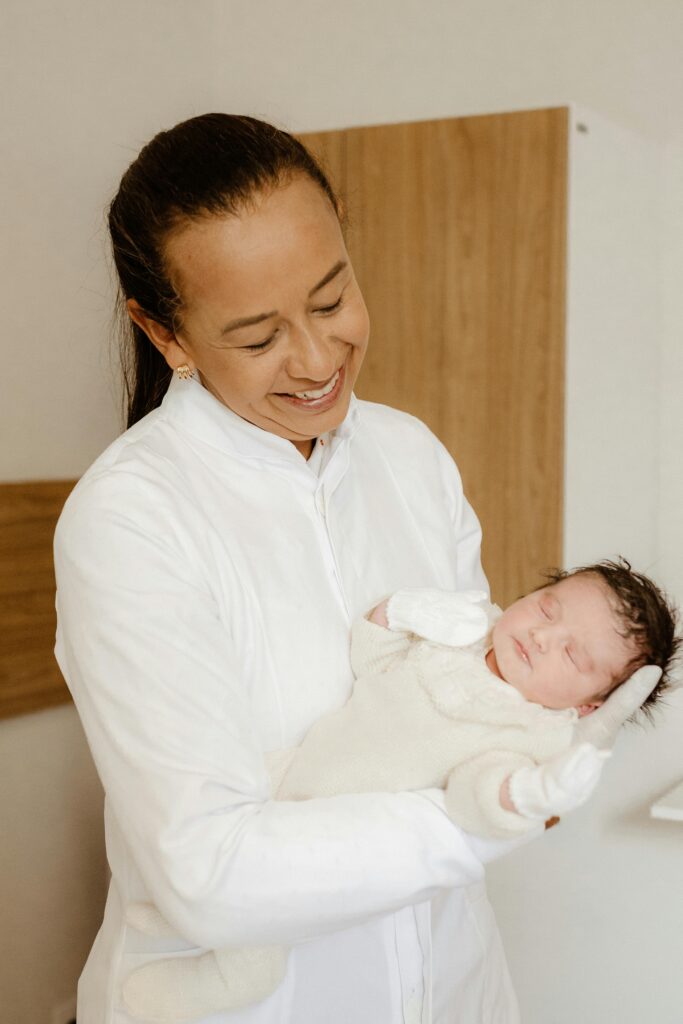
newborn-baby-girl-portrait
Cynthia-profile-portrait

Cynthia Unuigbe, MD.

Dr. Cynthia Unuigbe is a Medical Doctor, health tech innovator, and Founder of Sleep & Cradle® Health, a physician-led postpartum support platform focused on maternal well-being, sleep health, and early intervention during the postpartum period. A subject matter expert in postnatal sleep health, certified pediatric sleep consultant, and newborn care specialist, she has spent over a decade supporting families through structured postpartum care, infant sleep support, and maternal-infant wellness initiatives. Her global experience includes work connected to maternal-child health initiatives across Africa and the United States. Through Sleep & Cradle® Health, she is advancing structured postpartum support through digital innovation, care navigation, and measurable sleep health solutions designed to improve maternal and infant outcomes.

Structured Postpartum Support for Better Sleep, Recovery, and Family Well-Being

Sleep & Cradle® Health provides physician-led postpartum support designed to help families navigate sleep deprivation, improve recovery, and build healthier routines during the postpartum period.

Whether you’re seeking overnight newborn care, baby sleep support, or structured postpartum guidance, our team provides real-time support tailored to your family’s needs.

Take the first step toward improved sleep, recovery, and a more supported transition into parenthood.

Get in Touch...

    Our Recent Blog Articles

    Free Sleep Tips

    Sleep & Cradle® Health is a physician-led postpartum support platform helping families navigate sleep deprivation, recovery, and early parenthood through structured care navigation and continuous support.

    Need Ongoing Support?

    Author

    Scroll to Top